Children need less programme and more rhythm
A route that alternates movement, a snack, a view and a short pause is often easier than one packed with planned entertainment. The water already provides novelty. The job is to make the timing manageable.
Family-friendly does not mean one-size-fits-all
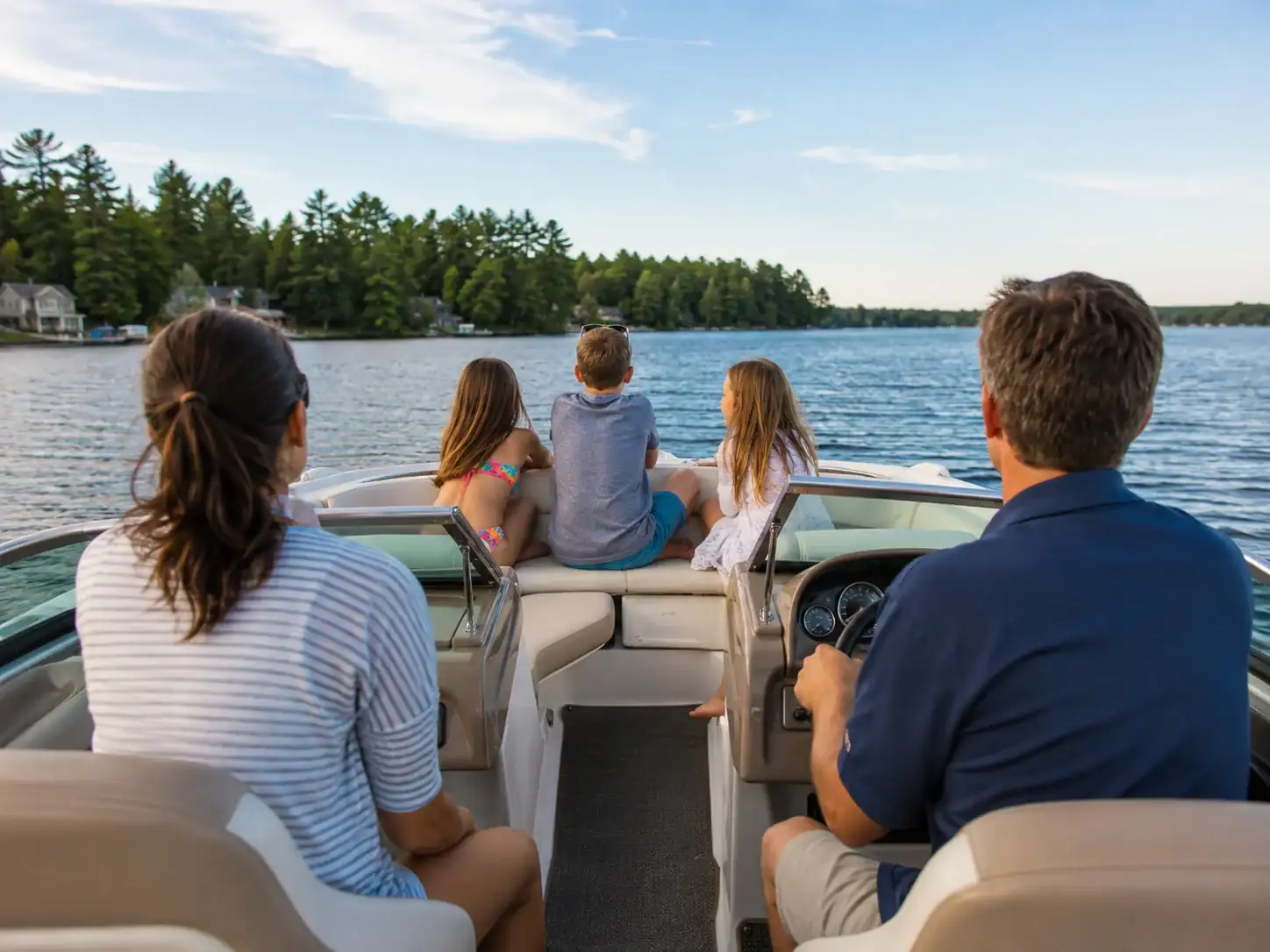
Age changes everything. A toddler needs secure movement and close supervision; an older child may be comfortable on a longer route if there is space to change position and a clear idea of what happens next. Tell the operator the children’s ages before options are suggested.
Movement can matter more than cabin luxury
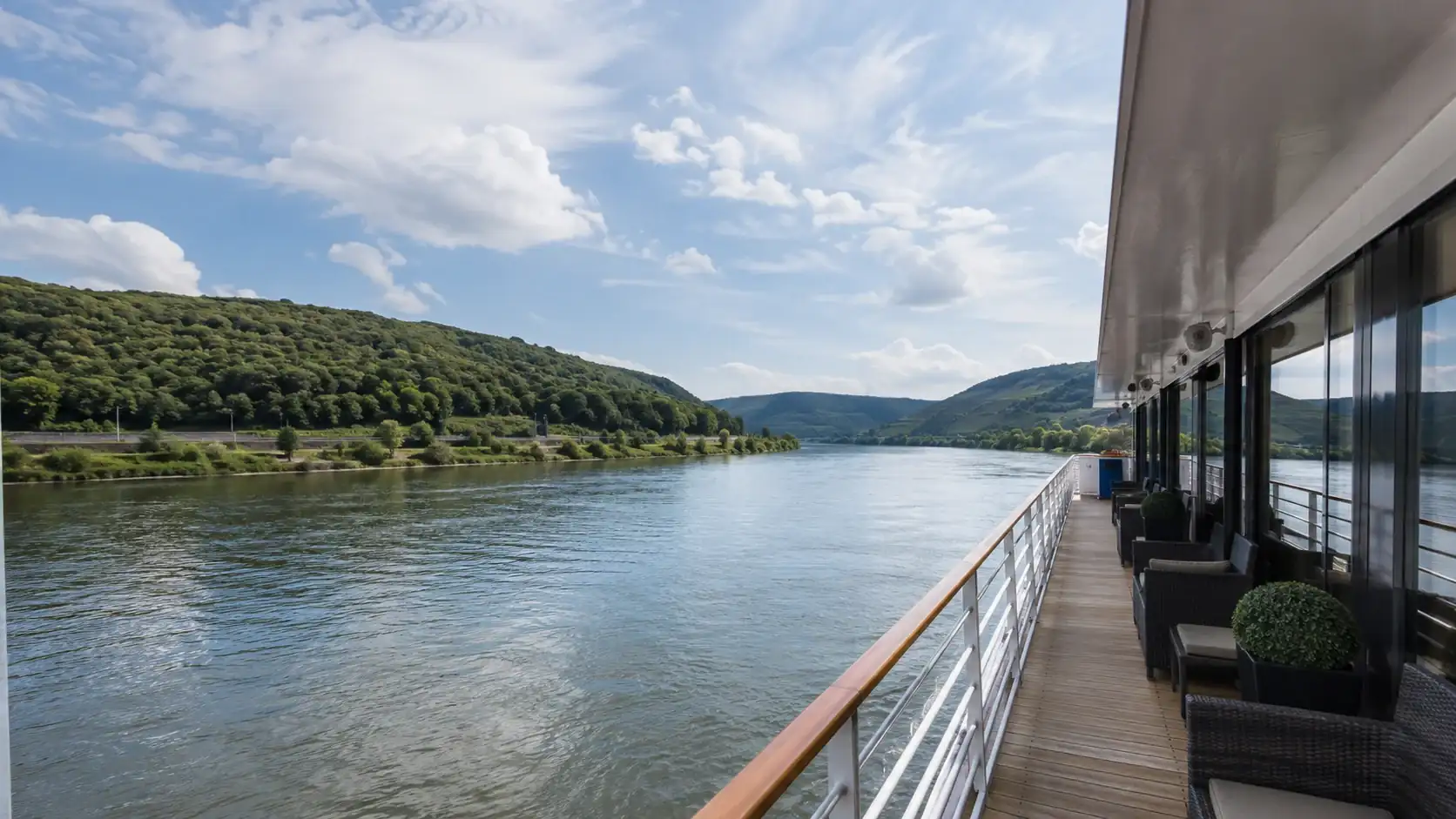
Look at how people get on and off, where children can sit, whether there is shade or shelter and how easy it is to reach a toilet. A beautiful cabin is less useful if everyone spends the whole trip in one exposed seating area.
The best time window is often shorter than expected
For a first family trip, two to three hours can be enough. Longer is worthwhile when the vessel has proper shelter, food, toilet facilities and several places to sit. An overnight route should be chosen because the family wants the overnight itself, not merely because it sounds more memorable.
Food, clothing and small rituals help
Bring water, familiar snacks if permitted, sun protection and a warmer layer than you think you need. A simple repeated routine — lifejacket, seats, snack, look-out point — can make the environment feel predictable without making the day rigid.
When a yacht can make sense for a family
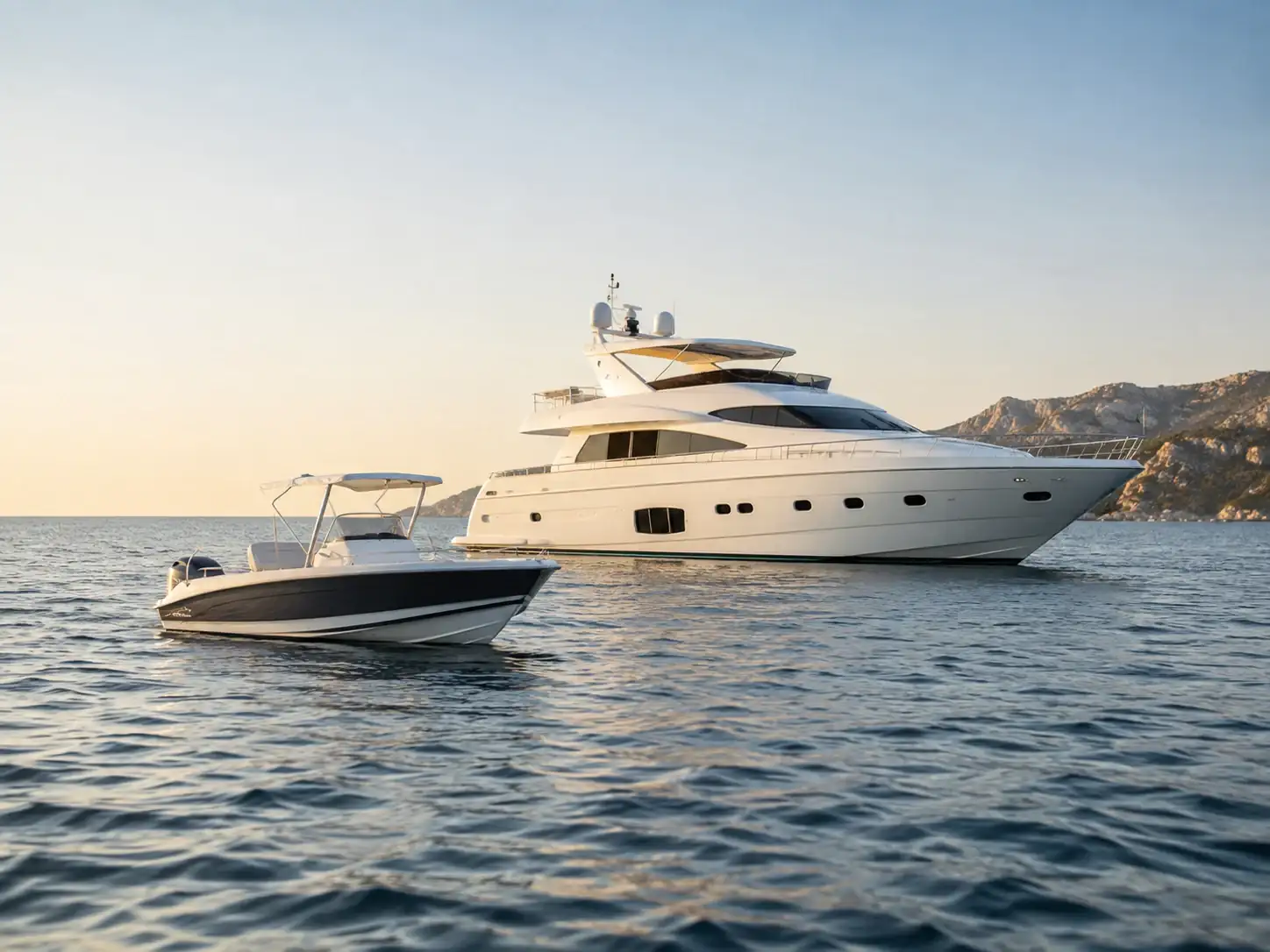
Private space can help when naps, changing clothes, dietary needs or a more flexible pace matter. It is not automatically necessary for children; sometimes a shorter shared route is the cleaner choice.
Safety detail belongs at the start of the enquiry
Ask about age restrictions, personal flotation equipment, supervision expectations, boarding access and what happens if conditions change. Follow the operator and crew’s safety instructions at all times; suitability is vessel- and route-specific.
Give the operator facts, not a fantasy itinerary.
Date window, group size, duration, access needs and appetite for open water are enough to start. The useful detail comes next.
Build the brief