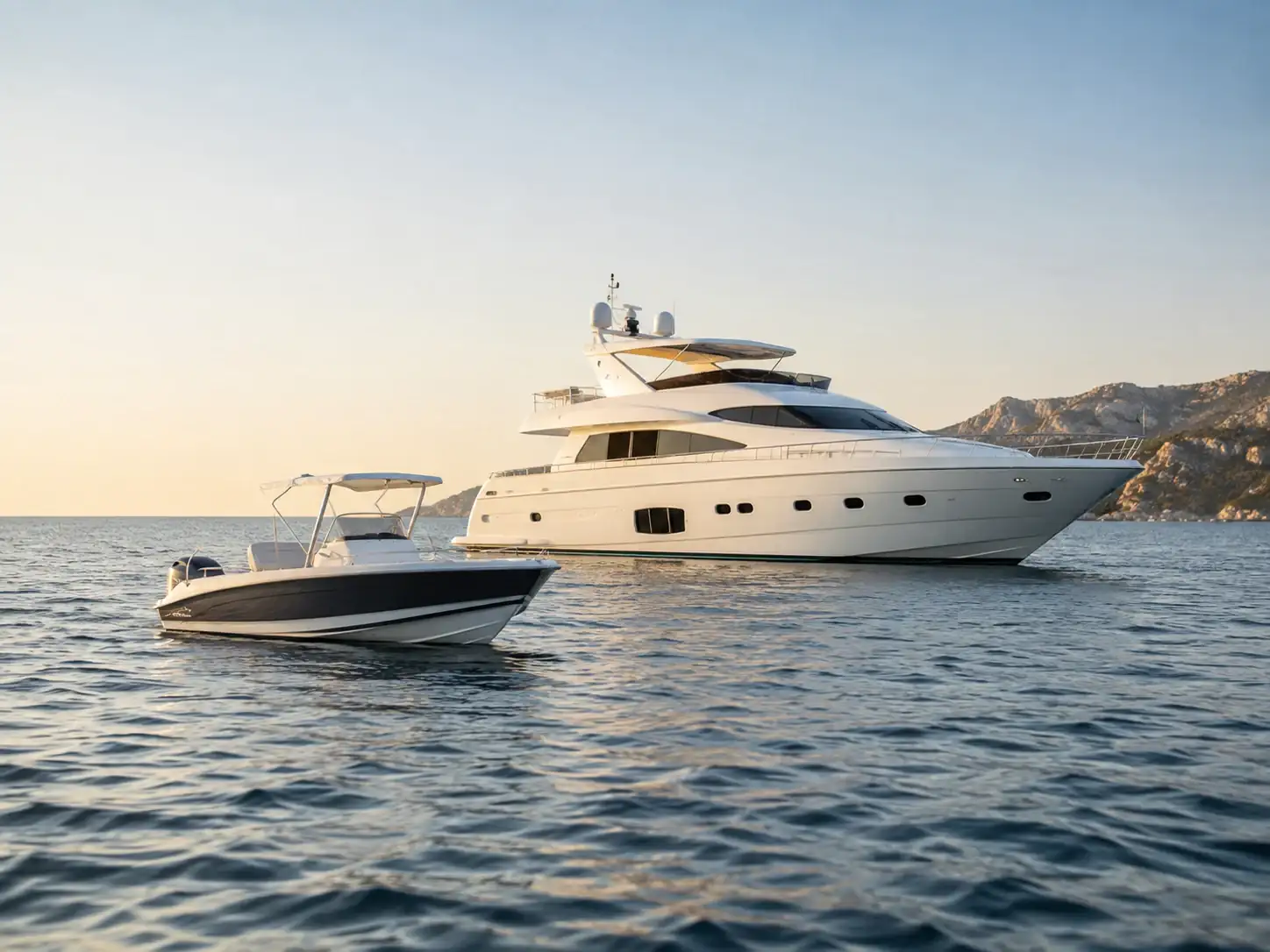
Harbour Cut
Short water, full reset.
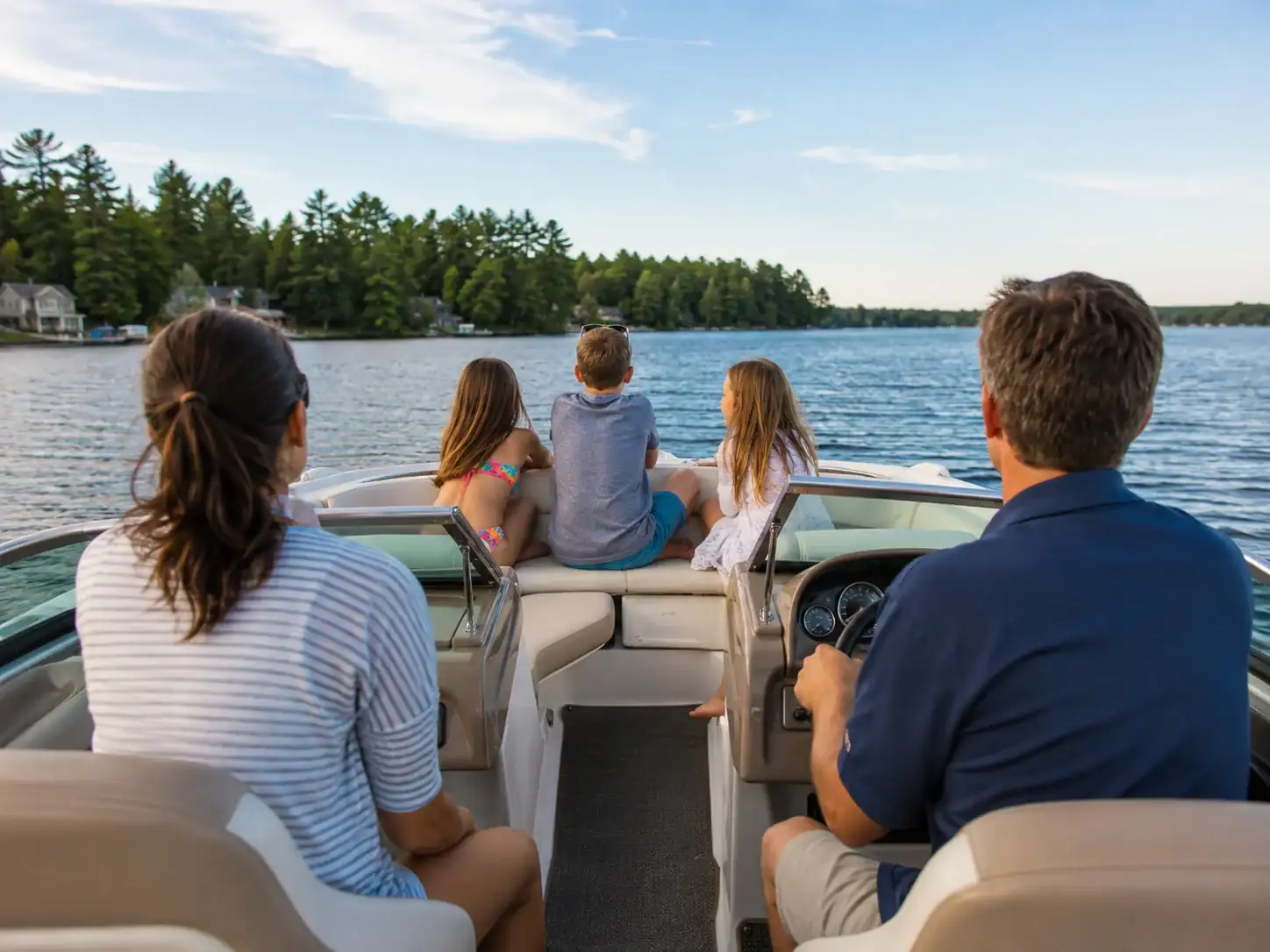
A compact 2–3 hour line for couples, families or a small group who want the change of perspective without building a whole day around it.
2–3 hrs2–8 guestsfrom £67.50 pp
 NORTHINGwater field notes
Plan a water day
NORTHINGwater field notes
Plan a water day
Short sail, private boat or a compact overnight passage: compare the format before you commit to the route. We focus on pace, group size, comfort and the practical rhythm of British waters.
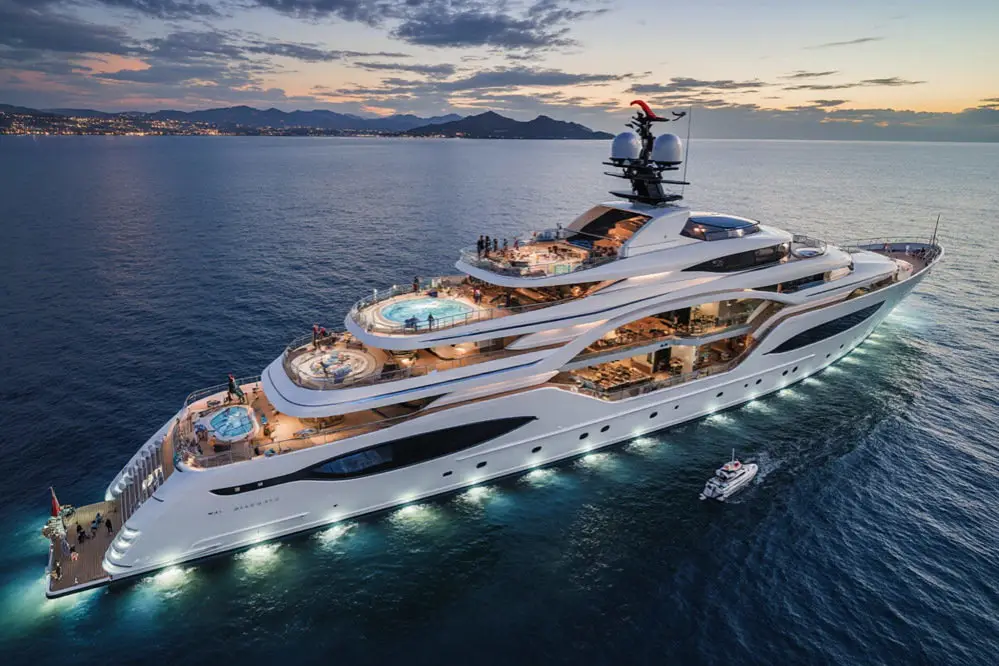
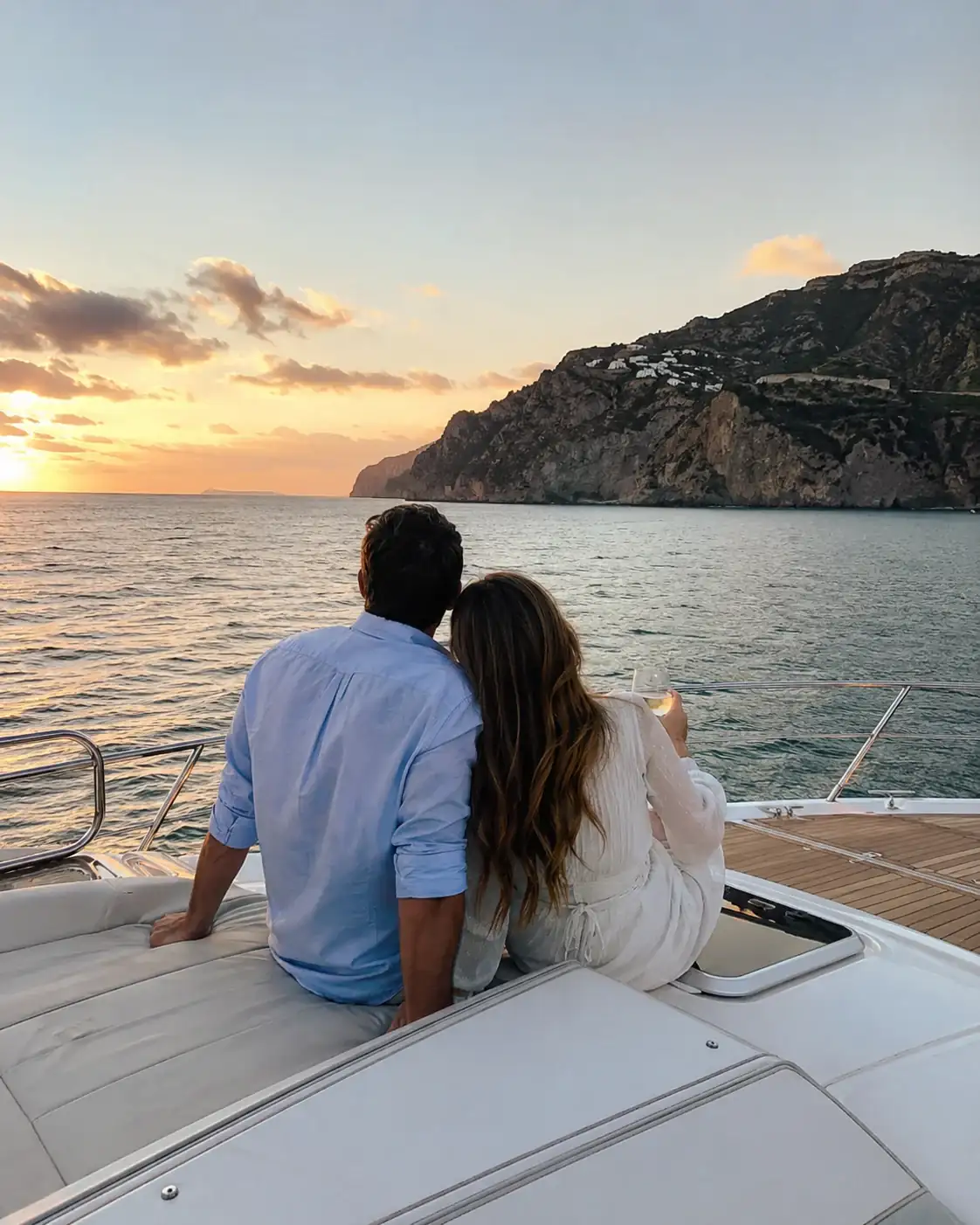
On British water, a good plan starts with duration and conditions, not with the most impressive vessel. A two-hour harbour line, an open-water half-day and an overnight route ask different things of the group — and reward different moods.
Planning bands, not booking promises. Exact vessel, operator terms and fare are confirmed against the date, route and group.
A compact 2–3 hour line for couples, families or a small group who want the change of perspective without building a whole day around it.
Four to six hours creates room for a quieter pace, a meal break and longer stretches under sail or power without turning the outing into an expedition.
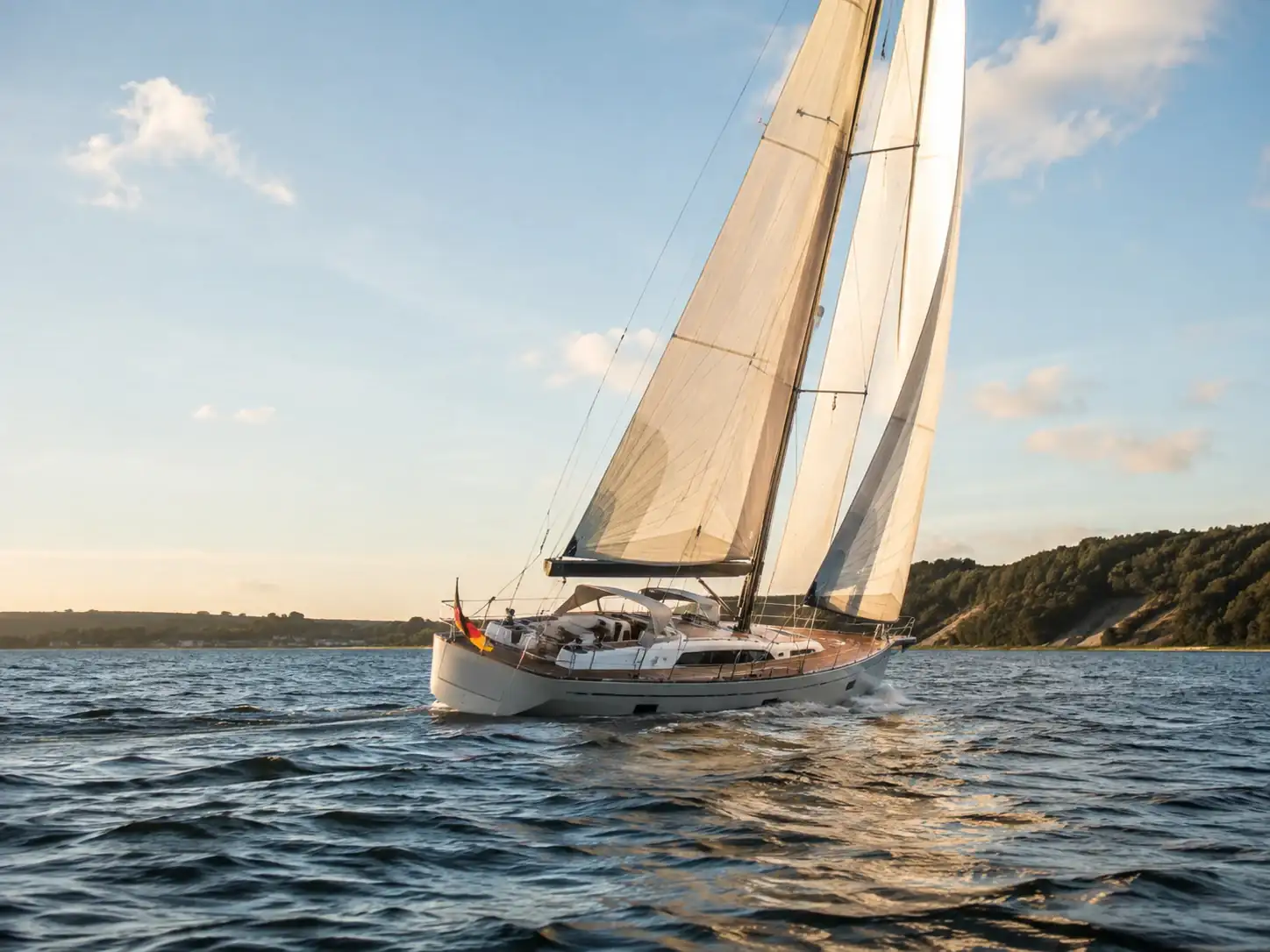
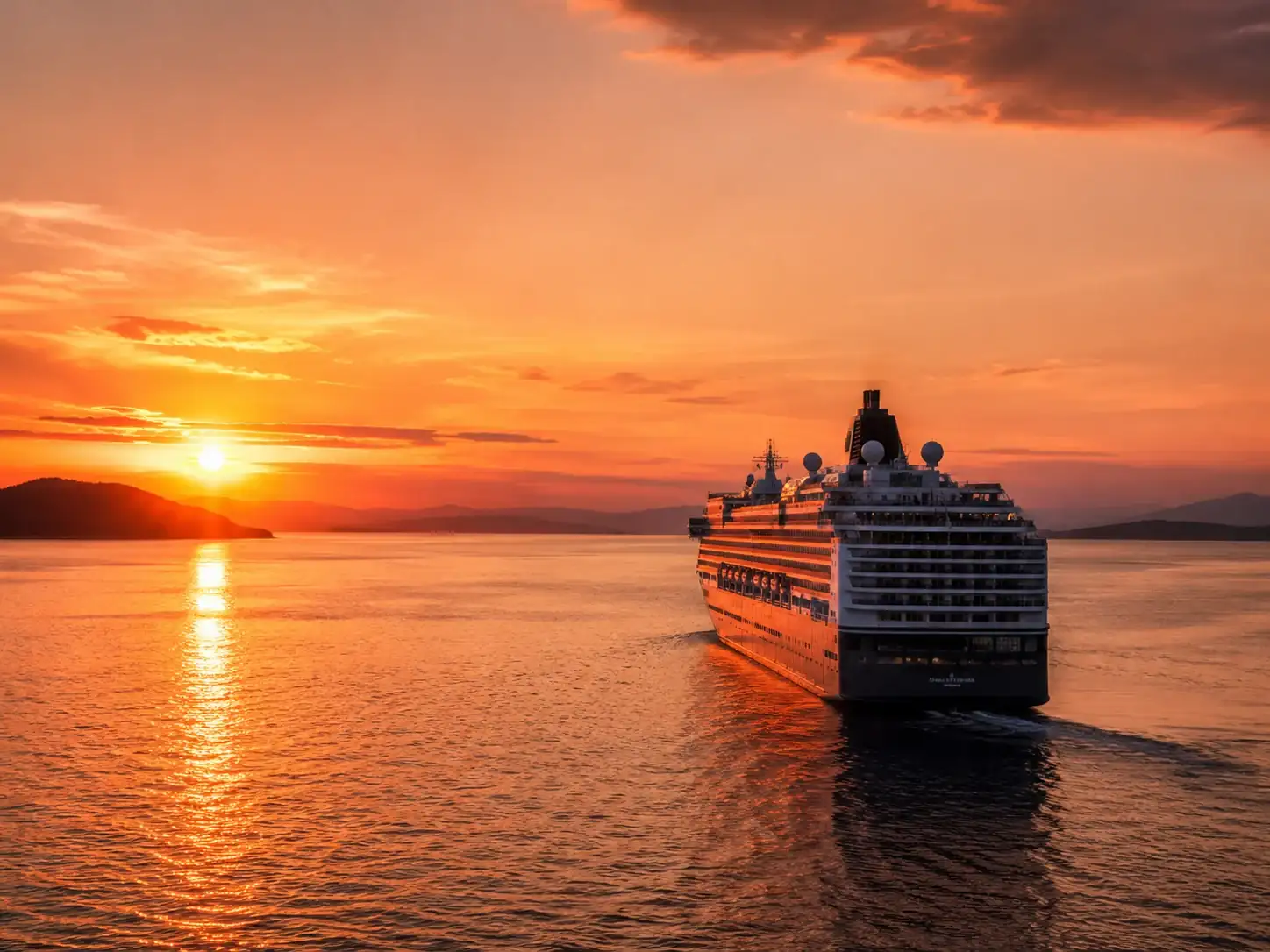
Evening departures often feel calmer: lower heat, a clear end point to the day and a route whose character changes as harbour lights come on.
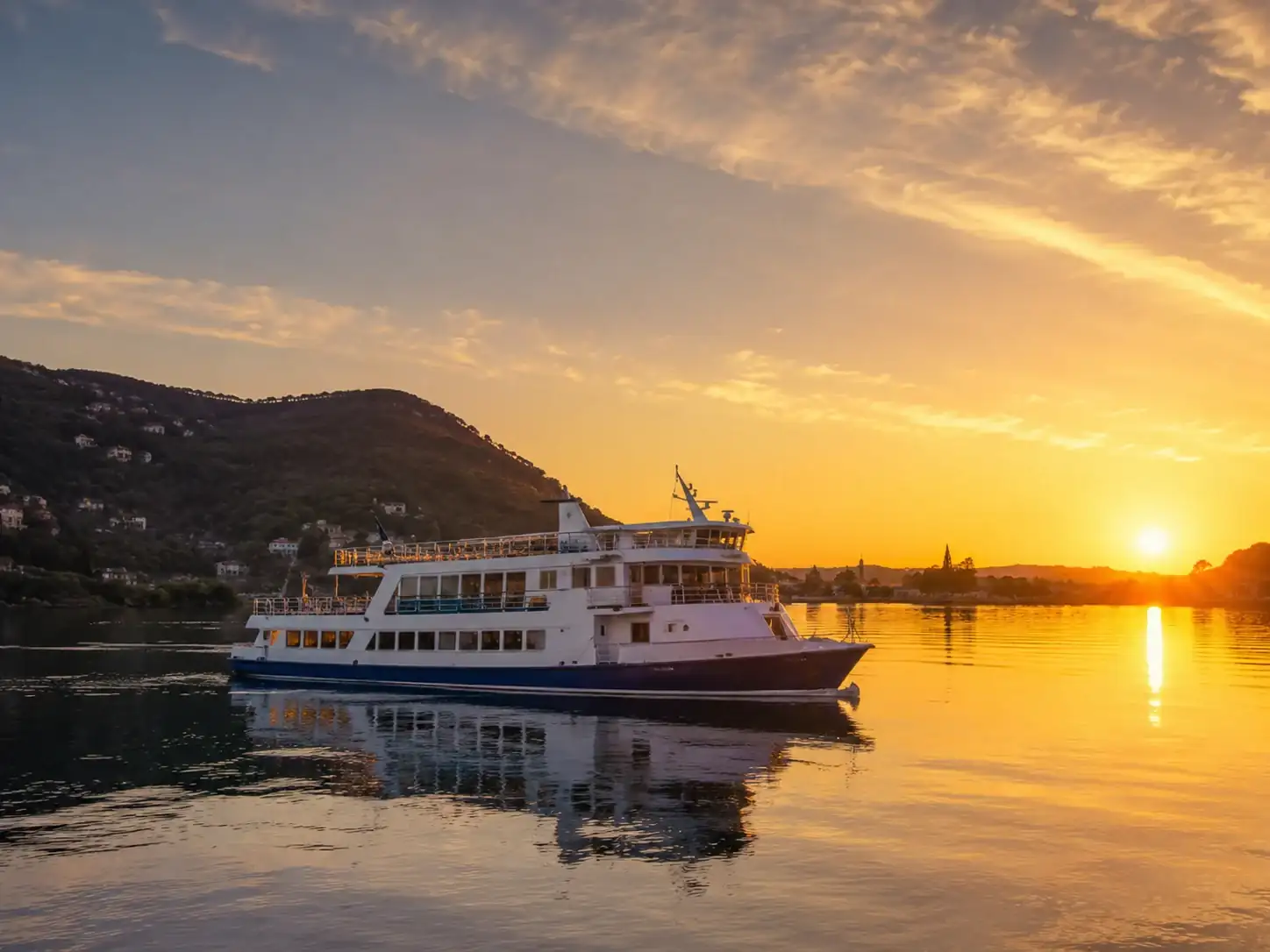
A compact overnight format for people who want several stops and a stronger sense of journey without committing to a long cruise itinerary.
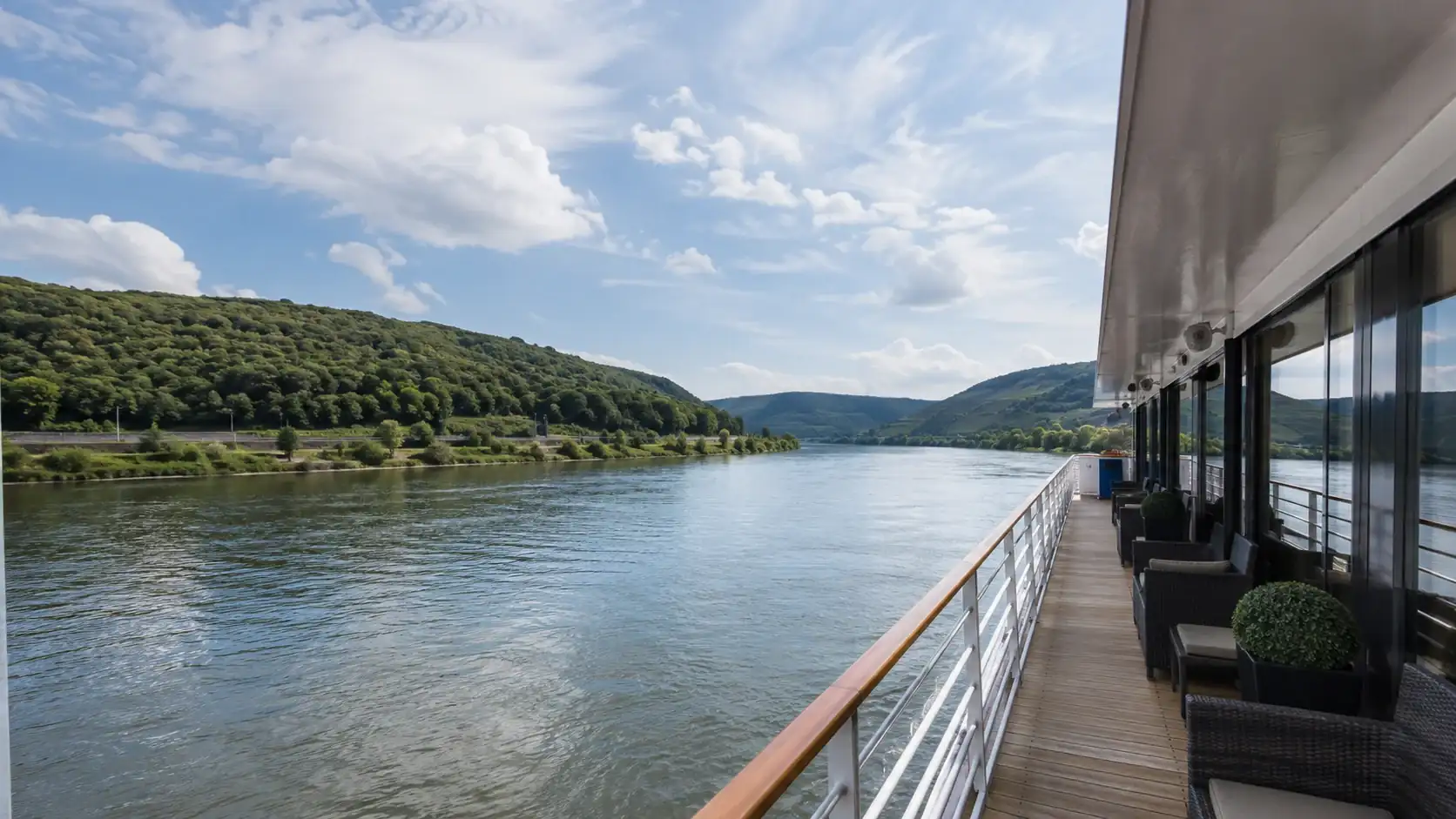
Indicative planning bands may vary by vessel, date, group size, route and operator conditions.
Use these as a starting point for an enquiry. Tide, berth access, weather and local operating restrictions shape the final line.
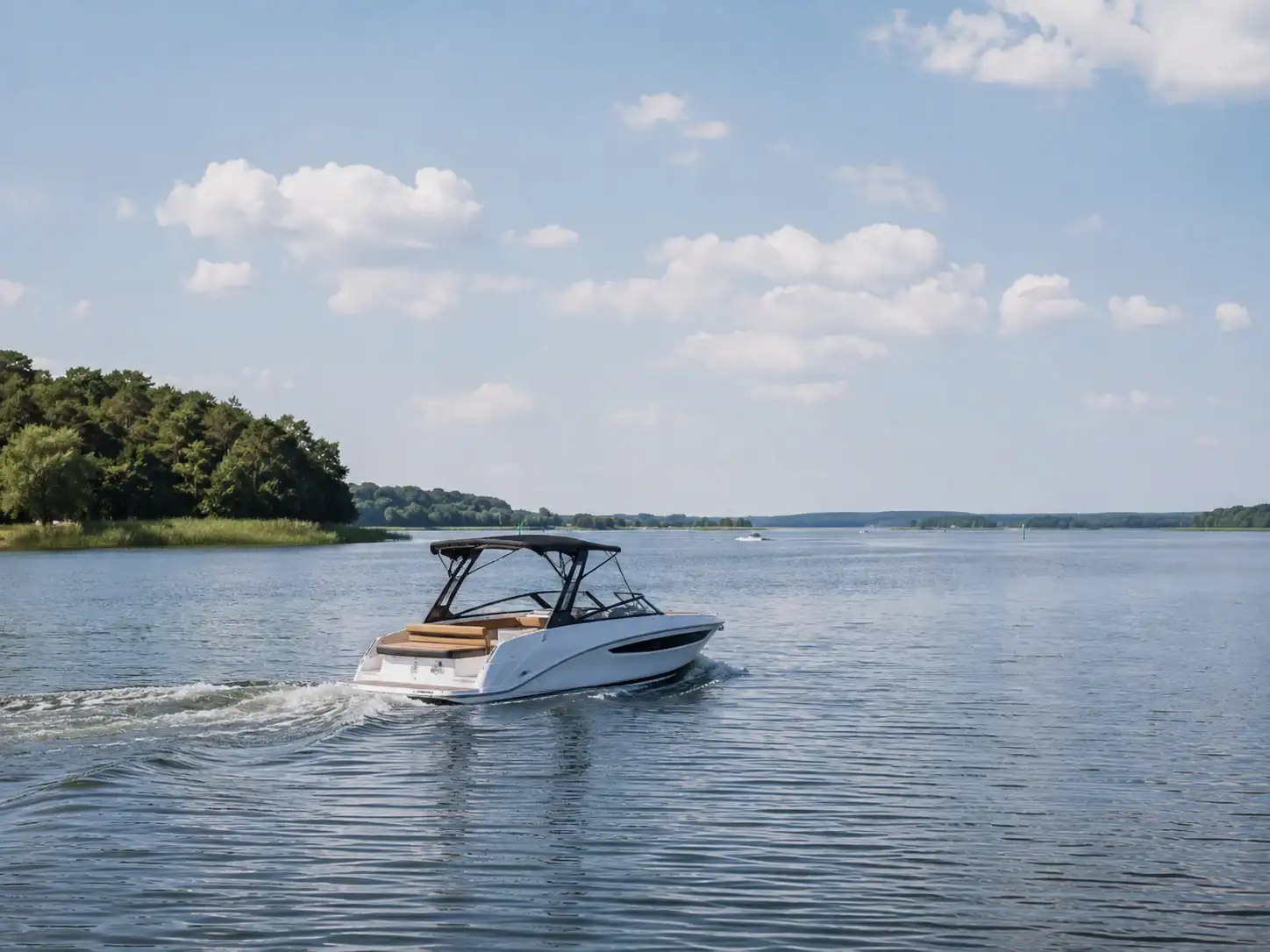
Begin close to shore, then let the coastline flatten into distance.
A half-day route where navigation itself becomes part of the experience.
A clear contrast between a protected start and a more expansive coastal outlook.
Less about speed, more about continuity, scenery and conversation.
Strong landscape, shifting light and careful local planning around conditions.
A route family that works when the day can stretch into two distinct stages.
We narrow the brief in an order that removes bad fits early. The route comes last, once the group and duration make sense.
Not the whole day — the hours you can genuinely give the water after travel and boarding.
Numbers, ages, mobility, privacy and how much moving around matters.
Sheltered water, open coast or a route that transitions between both.
Destination becomes useful only after the format has stopped fighting the day.
“A better brief is usually shorter: date window, group, duration, access needs and appetite for open water.”
Build the briefSend the date window, group size and preferred duration. Add access needs or whether you want sheltered or more exposed water. That is enough for a useful first pass.
These answers are general planning guidance. Specific safety, age, route and vessel rules come from the operator for the actual trip.
For many groups, two to four hours is enough to feel like a genuine change of pace without letting the outing dominate the day. If the aim is open water, a meal stop or a more private format, a half-day usually gives more breathing room.
Often, yes, but age limits, personal flotation equipment, supervision rules and route suitability depend on the vessel and operator. Tell us the children’s ages in the enquiry so that unsuitable options can be removed early.
No. Private use is valuable when control of pace, privacy or group dynamics matter. For a short scenic route, a smaller shared vessel can be simpler, less expensive and more appropriate to the actual day.
Vessel, exact route, departure time, fare and operating requirements can all move as availability and conditions are checked. Weather, tide, harbour restrictions and safety decisions may also require changes close to departure.